
When Love Looks Like Listening
“Parenting, in many ways, is an act of resilience. We do it imperfectly and then we learn.”
Over the past couple of months, there were a few parenting moments in our family that reminded me just how emotionally hard this season of life can be. I won’t share the specifics, but I will say this: parenting teenagers has a way of keeping us humble, especially when emotions run high and the people you love most are navigating challenges.
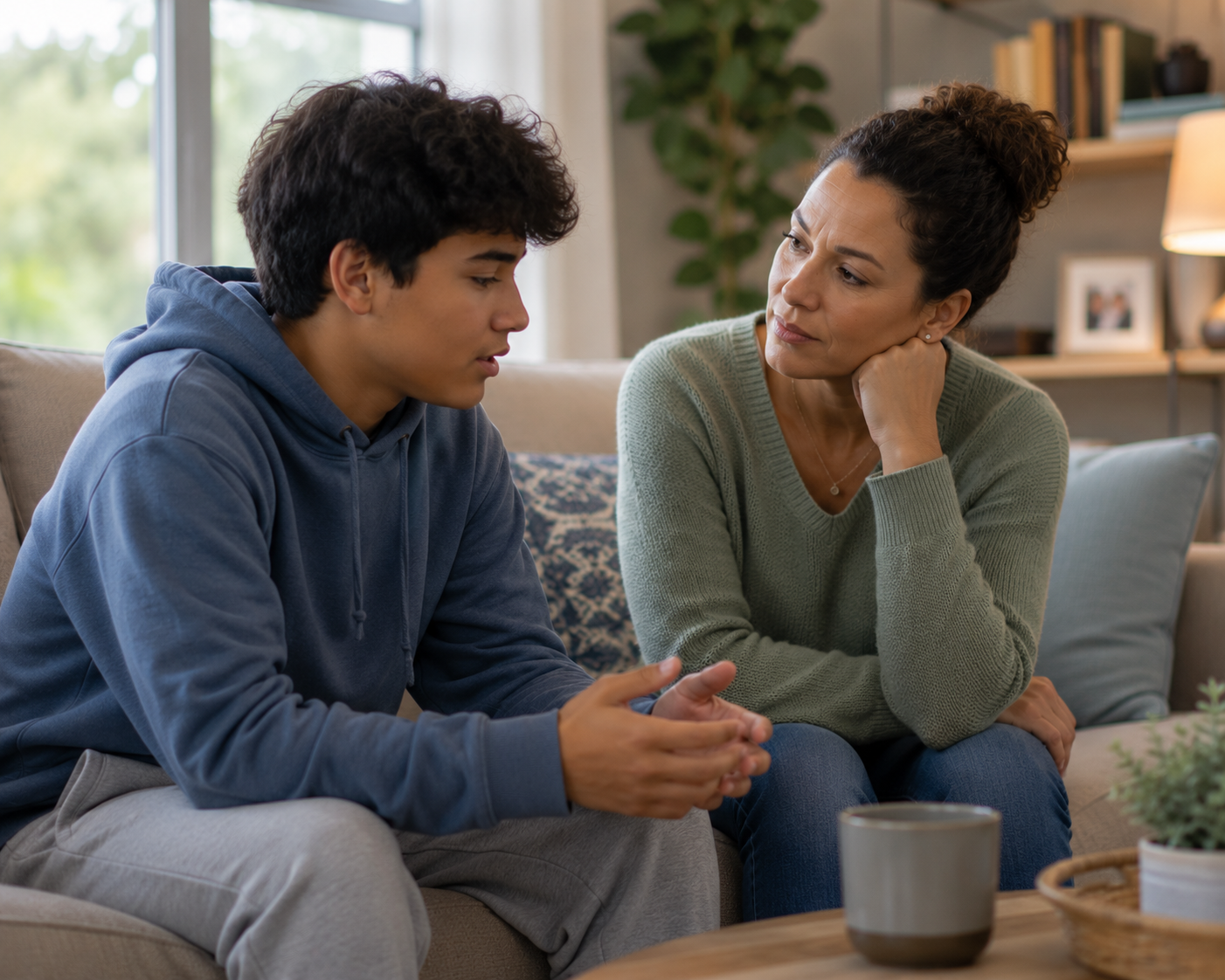
As a parent, my natural instinct is often to fix things. I want to solve the problem, improve the situation, offer perspective, or help move things forward. But recently I've been learning that sometimes what our children need most is not a solution. Sometimes they simply need to feel heard. That sounds simple in theory, but I don't think it always is in practice.
One of my sons has been working through a difficult season that I can't solve for him, no matter how much I want to. I've found myself having to learn the difference between helping and managing. Sometimes the most supportive thing I can do is listen, ask thoughtful questions, and trust him to find his own way.
At the same time, a couple months ago, I found myself in an incredibly difficult moment with my other son. Emotions ran high and my feelings were deeply hurt. And shortly after, I reminded myself to simply “be the parent who keeps showing up.” And that meant giving some initial space and then starting the reconciliation conversation to create room for repair.
One of the things that helped me through this season was a parenting group hosted by Paula-Jo Pyrchla of Insights & Entropy that focuses on personal regulation and connecting with empathy. We talked a lot about the importance of intentional breathing, grounding techniques, and learning how to regulate ourselves before trying to regulate our children. Sometimes that looks like pausing and taking a slow breath before responding. Sometimes it means noticing what I can physically see, hear, or feel in the moment so I can calm my nervous system enough to stay present in the conversation instead of reacting emotionally.
What I'm learning is that listening well is not passive. It takes patience, restraint, empathy, and emotional maturity, especially when every instinct wants to jump in with advice, correction, or a solution.
And while I certainly don't get it right every time, I'm beginning to understand that my relationships with my sons are often strengthened not through through consistency and the willingness to keep showing up with love. That feels especially important during hard seasons.
This is one of the reasons the Personal facet of the Four Facets of Better Living matters so much. Healthy relationships are not built because we always say the right thing or handle every situation perfectly. They are built over time through trust, empathy, grace, and the willingness to keep learning.
Parenting, in many ways, is an act of resilience. We do it imperfectly and then we learn. We reconnect when needed. And hopefully, we keep showing up a little better the next time.
This post is part of an ongoing blog series exploring the Four Facets of Better Living: physical, personal, professional, and prosperity.
If you're interested in experiencing this work more deeply, you can fill out the contact form to learn about future Resilience for Progress retreats.