
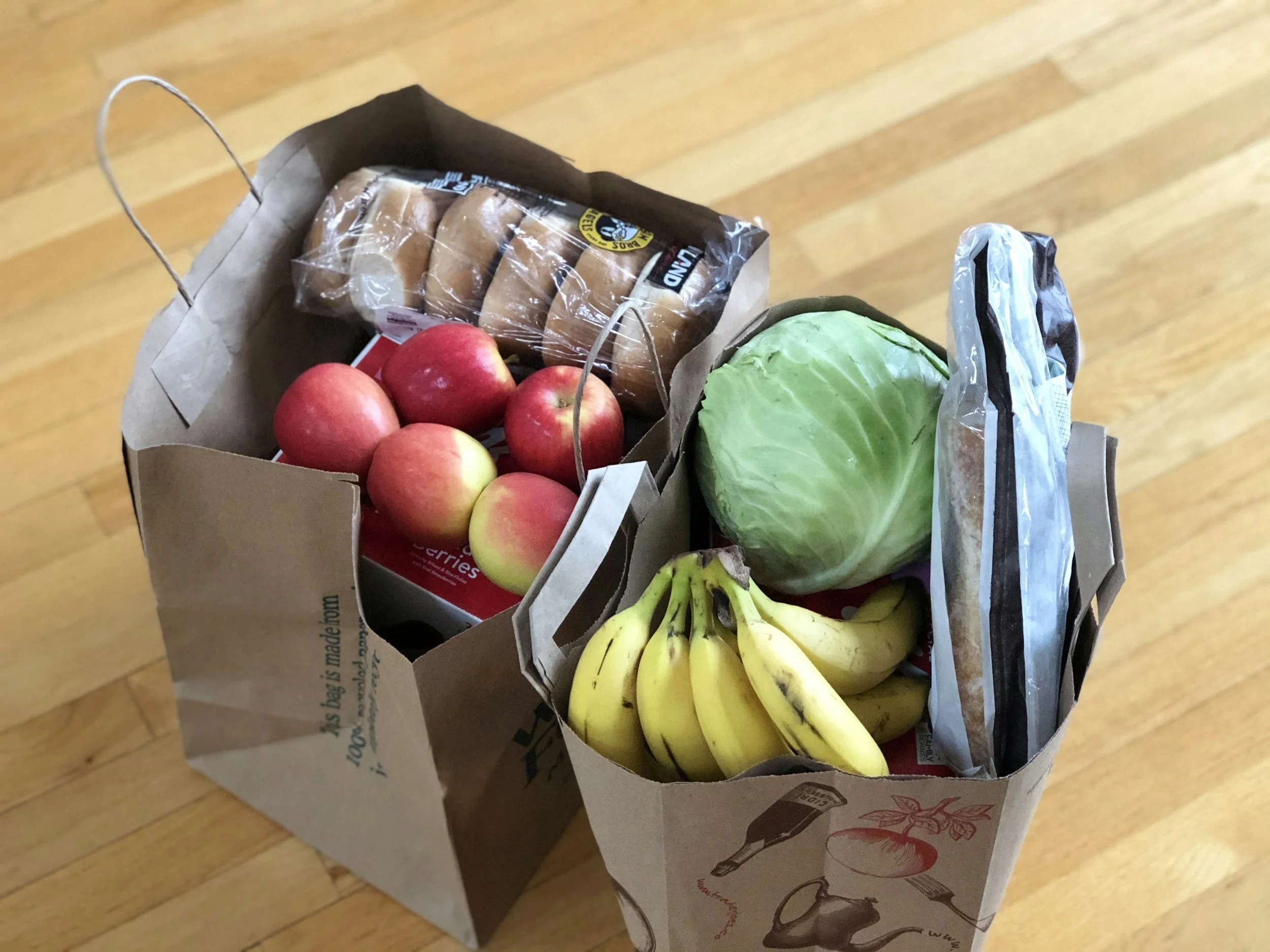
“None of these habits feel dramatic on their own, but together they create a more intentional approach to food spending.”
Food spending is one of the easiest areas for costs to creep up. Between grocery trips, takeout, coffee runs, and last-minute meals, small decisions add up quickly. Over time, I’ve found a few simple habits can make a noticeable difference without rigid meal planning or cutting out foods we enjoy.
One of the biggest shifts for us is leaning into store brands. We shop primarily at Trader Joe’s and Costco and buy a lot of Trader Joe’s house brands and Kirkland Signature products. The quality is strong, and the savings add up across everyday staples. We also use Costco strategically for bulk purchases, especially household supplies, meat, and some produce. The key is buying what we know we’ll use. This reduces cost per unit and cuts down on extra trips that often lead to additional spending.
We rely on a few prepared or semi-prepared meals from Costco to avoid last-minute dining out. Stir fry vegetables with tofu or chicken, chicken tikka masala over rice, or baked salmon with cilantro lime rice are easy, predictable, and far less expensive than takeout.
When we’re tempted to grab fast food, we try to default to what we already have at home. A Costco taco kit or another simple meal often meets the same need for convenience at a much lower cost. It’s not about never eating out, but about avoiding the impulsive decisions that add up. We’re not perfect, and we do treat ourselves, but we try to do so intentionally and less often.
We also make a list before we shop and try to stick to it, and often set a limit of no more than three impulse items. That small boundary keeps us intentional while still leaving room for flexibility.
Another shift for me has been my coffee habit. I’ve had seasons of ordering Starbucks or Panera a few times a week, which added up quickly. Now I make non-dairy lattes at home, rotating between almond, soy, and occasionally homemade options. It’s less expensive and has become a small daily ritual I enjoy.
One of the biggest mindset changes came during my No-Spend January when I focused on shopping the pantry first. Checking what we already have and using items in the freezer or pantry reduces waste and stretches what we’ve already purchased.
None of these habits feel dramatic on their own, but together they create a more intentional approach to food spending. We still enjoy good meals and keep things convenient, but with more awareness.
This is what the Prosperity facet of the Four Facets of Better Living looks like in everyday life. It’s not always about major financial moves, but about small, sustainable habits that align spending with priorities.
If you’re looking for a place to start, choose one small shift. Make a list, try store brands, shop your pantry first, or swap one takeout night for an easy meal at home. Over time, those choices add up.
If you’re interested in future retreats, you can fill out the contact form to stay informed on upcoming dates and opportunities.